
Introduction: Why We Need Alternatives to Lithium in 2026
In 2026 the world is pushing hard for renewable energy like solar and wind but one big problem remains how to store that energy when the sun isn’t shining or wind not blowing. Lithium-ion batteries have been the king for years they power everything from phones to grid storage but they have limits. Lithium is expensive mining it hurts the environment and supply chains are shaky with big demand from EVs and data centers.
That’s why in 2026 we seeing the next wave of grid-scale storage technologies stepping up. Sodium-ion iron-air and flow batteries (especially vanadium redox) are not just lab dreams anymore they getting real deployments. These promise cheaper safer longer-duration storage using abundant materials. They help make grids more reliable cut costs and reduce e-waste impact. This blog dives deep into each one their pros cons current status in 2026 and what it means for sustainable tech future.
Sodium-Ion Batteries: The Cheap Abundant Challenger
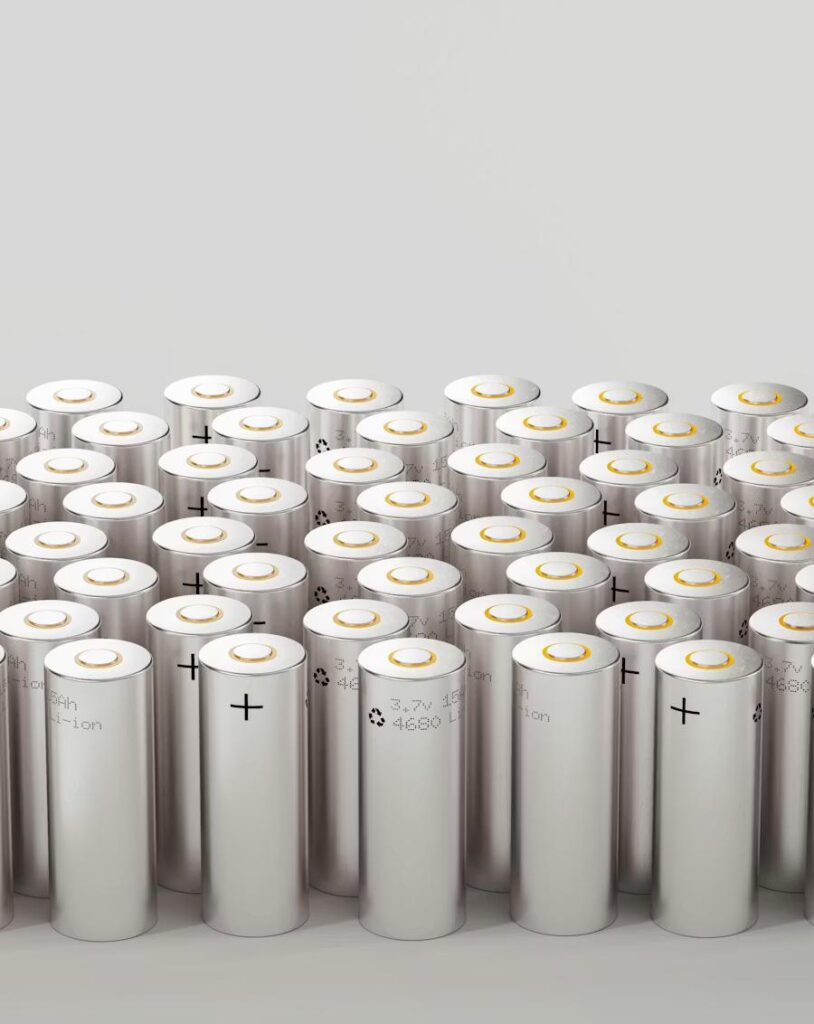
Sodium-ion batteries are like lithium-ion cousins but use sodium instead which is everywhere in salt. Sodium is super cheap and abundant no need for rare metals like cobalt or nickel. This makes sodium-ion much lower cost potentially 30% cheaper than lithium by end of 2026.
How Sodium-Ion Works
They store energy by moving sodium ions between cathode and anode similar to lithium but chemistry different. Energy density lower around 150-175 Wh/kg vs lithium 250+ but for grid storage where size not big issue this ok. They safer too less risk of fire or thermal runaway and work well in cold temps down to -40°C.
Iron-Air Batteries: The 100-Hour Giant for Multi-Day Storage
If sodium-ion about cost iron-air about super long duration. Form Energy leading this with batteries that store energy for up to 100 hours way beyond lithium 4-8 hours.
How Iron-Air Works*
It basically rusts iron to store energy and reverses rusting to release it. Iron super abundant cheap battery uses air oxygen from atmosphere so no heavy electrolytes. Efficiency around 50-70% lower than lithium 90%+ but for long-duration cost per kWh unbeatable projected low as $20/kWh future.
*2026 Updates and Big Projects*
Form Energy making headlines with massive deals. Google teaming with Xcel Energy for 300 MW/30 GWh iron-air system in Minnesota to power data center with renewables 24/7. This world’s largest battery by energy capacity announced. Form first commercial 100-hour batteries hitting grid like with Great River Energy in Minnesota operational soon. They raised big funding expanding West Virginia factory.
Other players like Ore Energy in Europe deploying first grid-connected iron-air.
*Pros and Cons*
Pros: Extremely long duration (multi-day) cheap materials safe no thermal runaway highly recyclable perfect for renewable lulls storms or seasonal storage.
Cons: Lower efficiency bigger footprint slower charge/discharge but for grid where you need days of backup this game-changer.
In 2026 iron-air proving it can make grids reliable year-round without overbuilding renewables.
Flow Batteries: Scalable and Durable for Long-Haul Storage
Flow batteries different they store energy in liquid electrolytes pumped through cell. Most common vanadium redox flow batteries (VRFB) use vanadium ions in different oxidation states.
*How Flow Batteries Work*
Power capacity from cell stack energy from tank size so you scale independently. Add bigger tanks for more storage without changing power output. Lifespan 15-20+ years 10,000+ cycles almost no degradation.
*Advancements in 2026*
Market booming from $0.83 billion 2025 to $0.93 billion 2026 CAGR 12% heading to $1.41 billion by 2030. Big deployments utility-scale like Delectrik 10 MWh VRFB. Vanadium flow leading but research new electrolytes alloys better electrodes to boost efficiency energy density.
Companies like Sumitomo Rongke advancing large systems. VRFB excelling in long-duration 4-12 hours+ safe non-flammable.
*Pros and Cons*
Pros: Long life scalable independently safe deep discharge no memory effect good for frequent cycling.
Cons: Lower energy density bulky high upfront cost vanadium expensive but recycling improving. Efficiency 70-85%.
Flow batteries shining where lithium too short-duration iron-air not yet scaled.
Comparing the Three: Which Wins for Grid-Scale in 2026?
| Technology | Duration | Cost Projection | Efficiency | Key Strength | Best For |
|—————-|—————-|—————–|————|—————————|——————————|
| Sodium-Ion | 4-8+ hours | Very low | High | Abundance & safety | Cost-sensitive stationary |
| Iron-Air | 100+ hours | Ultra-low long-term | Medium | Multi-day reliability | Seasonal/renewable firming |
| Flow (VRFB) | 4-12+ hours | Medium-high | Medium-High | Long life scalability | Utility cycling & resilience|
None replaces lithium fully but complements. Lithium for short bursts sodium for medium iron-air/flow for long. Together they diversify supply reduce lithium dependence.
Environmental and Economic Impacts
These techs big win for planet. Sodium uses no rare metals iron-air rust-based recyclable flow vanadium recyclable too. Less mining impact lower carbon footprint. Economically they cut storage costs make renewables competitive without subsidies. In 2026 with AI grids straining these help avoid blackouts keep bills down.
Conclusion: The Shift is Happening Now
2026 marking turning point beyond lithium. Sodium-ion scaling fast iron-air landing huge projects flow batteries maturing. For sustainable future we need mix these to store clean energy reliably affordably. As blog like pmtech always say tech must respect nature these batteries do that by using earth abundant stuff reducing waste.
What do you think which one excite you most? Share in comments and subscribe for more eco-tech updates!