
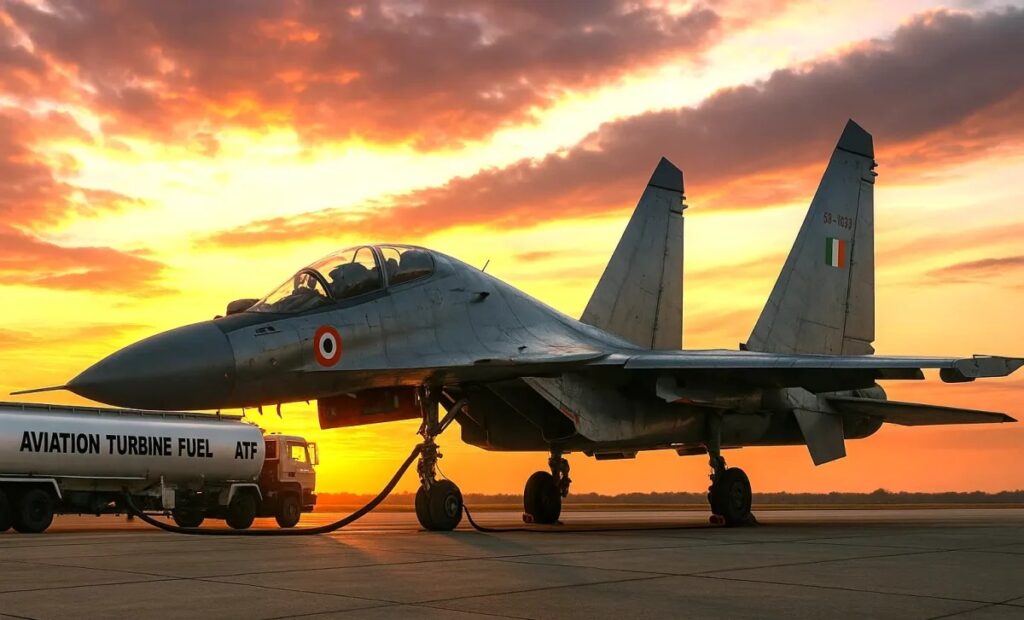
Climate change is often discussed in terms of industries like transportation, energy production, and manufacturing. However, one major contributor to global greenhouse gas emissions frequently receives less attention: the global military industry. Armed forces around the world operate massive fleets of vehicles, aircraft, naval vessels, and military bases that rely heavily on fossil fuels. As a result, military activities contribute significantly to the global carbon footprint, yet this impact is often overlooked in climate discussions.
Military Operations and Energy Consumption
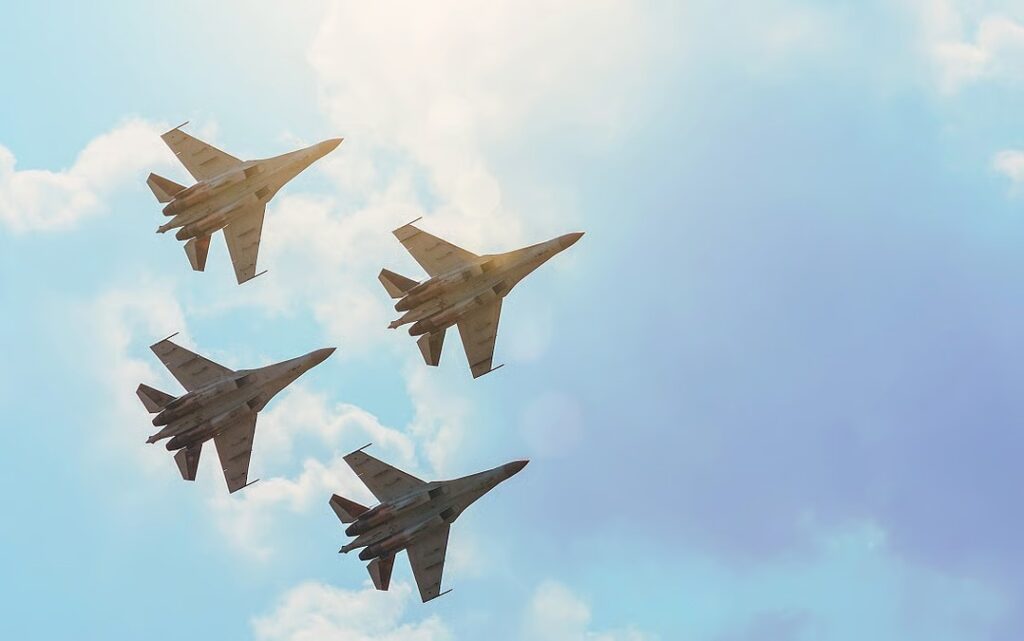
Modern militaries are among the most energy-intensive institutions in the world. Fighter jets, tanks, warships, and transport aircraft consume enormous amounts of fuel. For example, advanced fighter jets can burn thousands of liters of jet fuel in a single hour of flight. Large naval vessels and aircraft carriers also require massive quantities of fuel to operate and maintain global military presence.
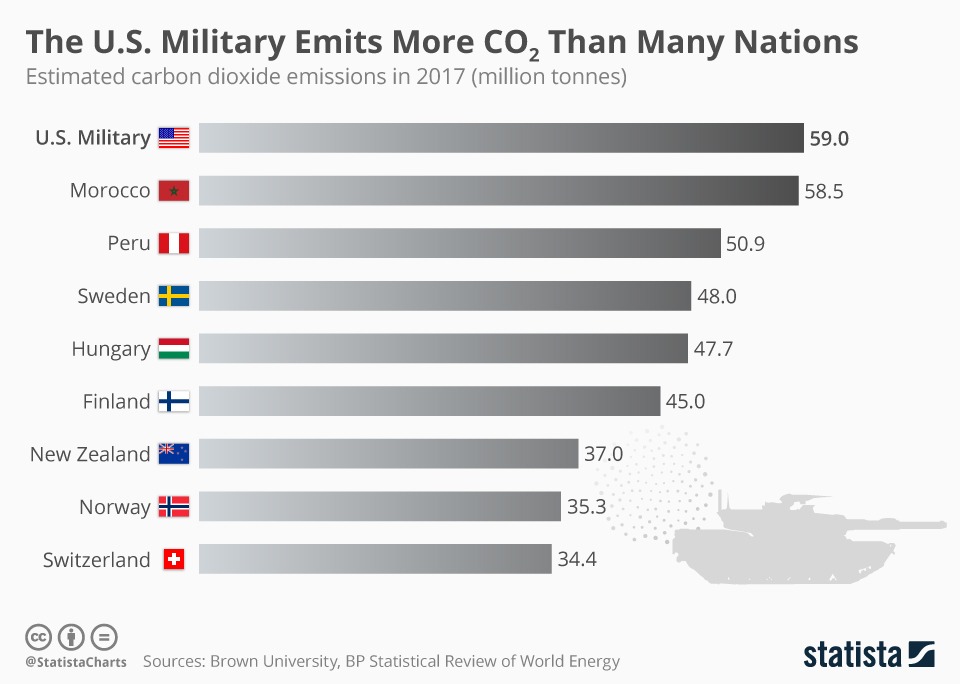
One of the most frequently cited examples is the United States Department of Defense, which is widely considered one of the largest institutional consumers of fossil fuels in the world. Its global network of bases, training operations, and military deployments requires significant energy resources. When the energy consumption of similar defense institutions across the world is combined, the environmental impact becomes substantial.
The Role of Military Infrastructure
Beyond combat vehicles and aircraft, military infrastructure also contributes to emissions. Military bases require electricity, heating, transportation systems, and extensive logistics networks. Many bases function like small cities, with housing, hospitals, and administrative buildings that operate around the clock.
In addition, military supply chains involve large-scale manufacturing of weapons, equipment, and vehicles. The production of tanks, fighter jets, missiles, and other defense technologies requires energy-intensive industrial processes. These processes contribute indirectly to the military sector’s carbon footprint.
War and Environmental Damage
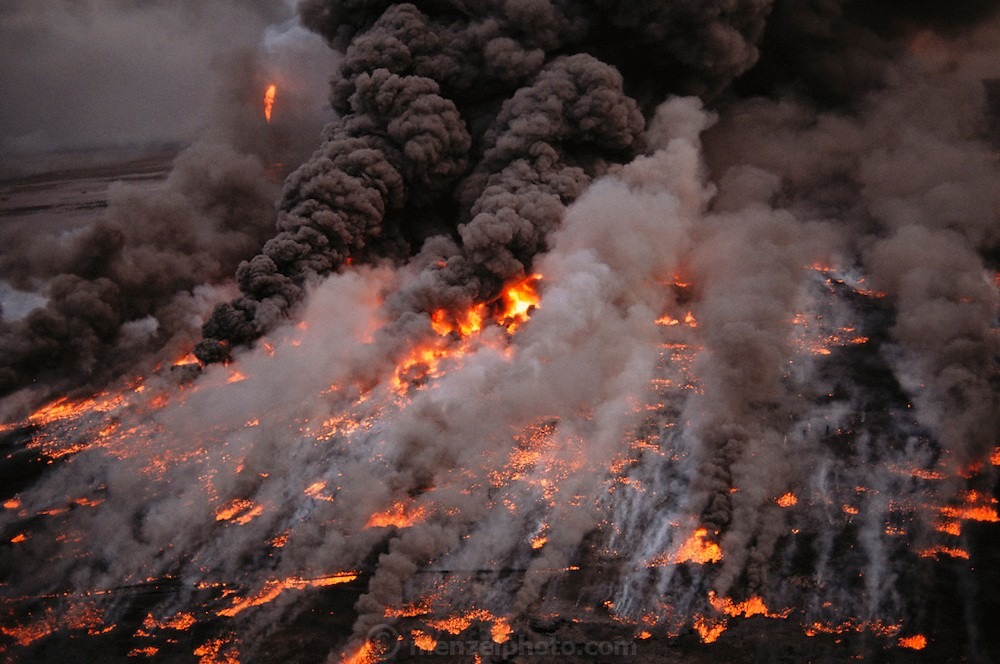
Armed conflicts themselves can also cause severe environmental damage. Warfare leads to the destruction of infrastructure, oil facilities, forests, and urban areas, often releasing large amounts of carbon into the atmosphere. Explosions, fires, and the burning of fuel depots further increase emissions.
Historical conflicts such as the Iraq War demonstrated how warfare can harm ecosystems through oil fires, toxic waste, and damaged land. More recently, the ongoing Russia–Ukraine War has raised concerns about environmental destruction caused by attacks on energy infrastructure, industrial sites, and agricultural land.
Such conflicts not only generate immediate emissions but also create long-term environmental problems that require years of recovery.
Lack of Transparency in Military Emissions
Another challenge in addressing the military sector’s environmental impact is the lack of transparency. In many international climate agreements, military emissions have historically been underreported or excluded from national carbon accounting.
For example, reporting military fuel consumption has not always been mandatory under international climate frameworks. This makes it difficult for researchers and policymakers to accurately measure the true environmental impact of global defense activities.
Without clear data, it becomes harder to design policies aimed at reducing emissions within the military sector.

Can Militaries Become Greener?
In recent years, some countries have begun exploring ways to reduce the environmental impact of their defense operations. Efforts include improving fuel efficiency, adopting renewable energy at military bases, and investing in hybrid or electric military vehicles for certain support operations.
Research is also being conducted into sustainable aviation fuels that could reduce emissions from military aircraft. However, transitioning large military systems away from fossil fuels is a complex and slow process due to operational requirements and national security concerns.
Nevertheless, even small improvements in energy efficiency could lead to significant reductions in emissions given the scale of global military operations.
Conclusion
The global military industry plays an important role in national security, but its environmental impact is significant and often overlooked. From fuel-hungry aircraft and naval fleets to large military bases and defense manufacturing, military activities contribute to the global carbon footprint in multiple ways.
As the world seeks solutions to the climate crisis, it is important to include all major sources of emissions in the conversation. Increasing transparency, improving efficiency, and investing in cleaner technologies could help reduce the environmental impact of military operations without compromising security.
Recognizing and addressing the carbon footprint of the global military industry is an essential step toward a more comprehensive and effective global climate strategy.