
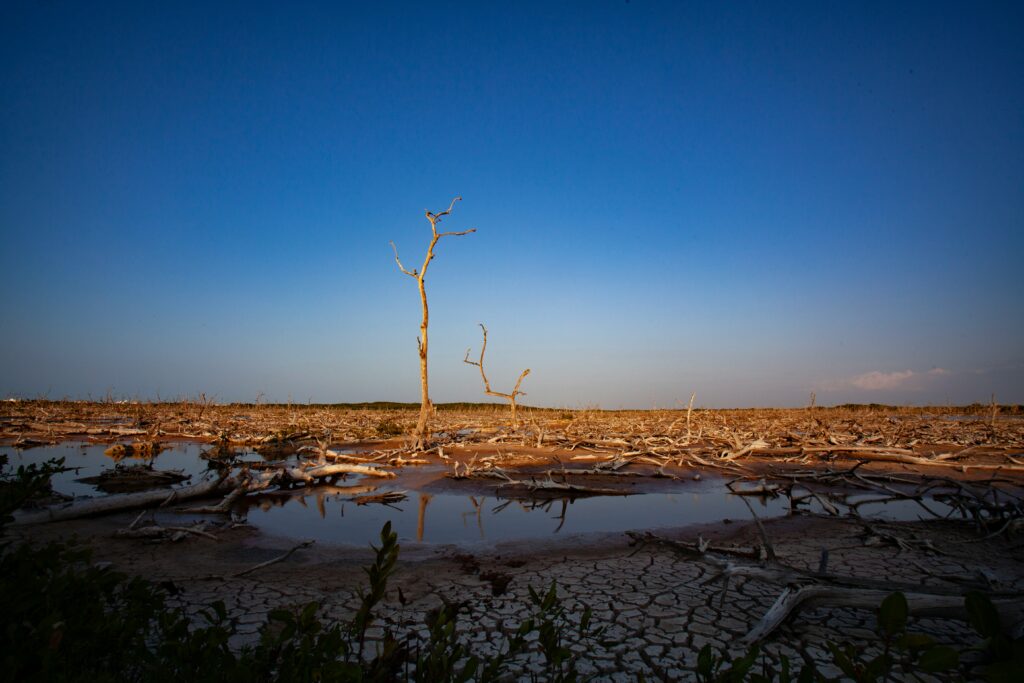
The planet is heating up faster than ever, yet many of its living systems appear to be slowing down—not in a comforting, stabilizing way, but in a concerning one that signals deeper trouble. This paradox lies at the heart of recent ecological findings: biodiversity loss is quietly stalling the natural renewal processes that keep ecosystems resilient, even as accelerating warming pushes everything toward change.
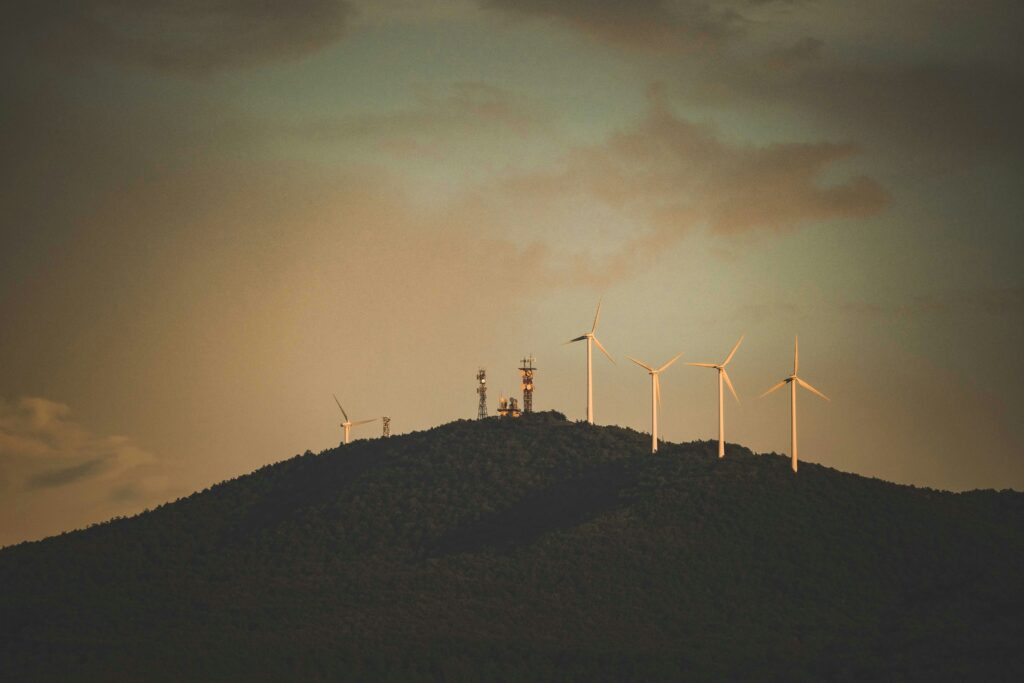
The Accelerating Heat Engine
Global temperatures continue their upward climb. Recent years, including 2024 and 2025, rank among the hottest on record, with warming rates approaching 0.27°C per decade—roughly 50% faster than earlier periods. We’re edging closer to (or possibly crossing) the 1.5°C Paris Agreement threshold in the coming years, driven by persistent greenhouse gas emissions.
This rapid warming reshapes habitats through:
- Shifting climate zonesc
More frequent and intense extreme weather
- Ocean acidification
- Sea-level rise
- Altered precipitation patterns
These forces trigger species migrations, local extinctions, mass die-offs, disease outbreaks, and wholesale ecosystem transformations—like coral reefs bleaching en masse or parts of the Amazon flipping from carbon sinks to sources.
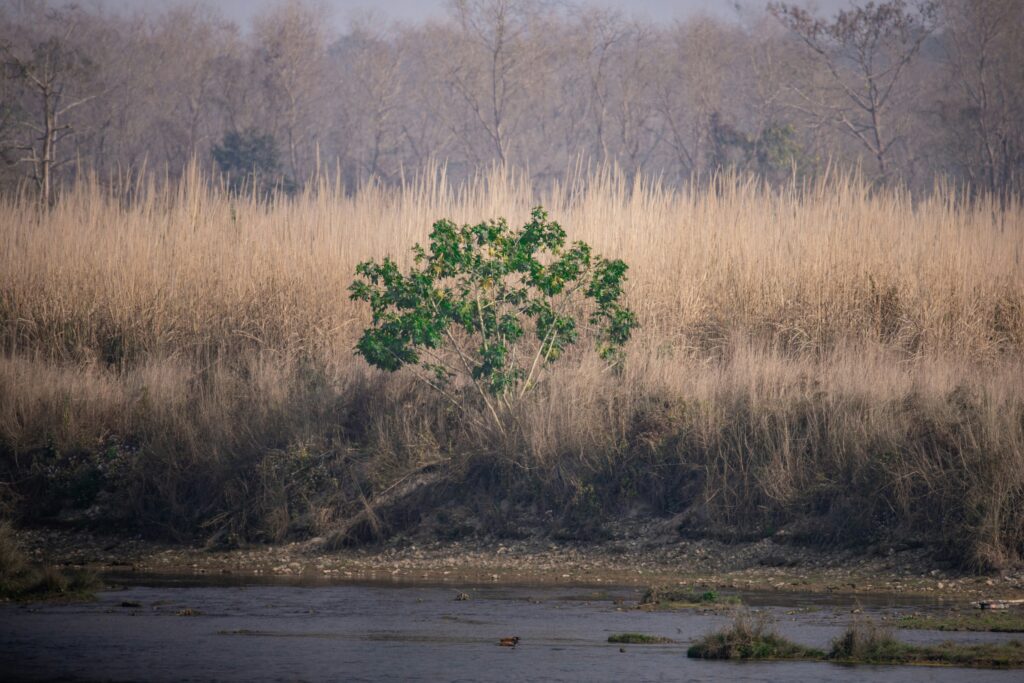
The Ongoing Biodiversity Crisis
Biodiversity is declining at unprecedented rates. Habitat destruction (especially land conversion for agriculture) remains the top driver, but climate change increasingly amplifies it. Key statistics paint a grim picture:
Wildlife populations have dropped by around 73% since 1970 (per WWF Living Planet reports).
Up to 1 million species face extinction risk.
Coral reefs could face near-total loss under higher warming scenarios.
Wetlands, vital carbon stores, have vanished at alarming rates.
This erosion weakens ecosystem services we depend on: pollination for crops, clean water filtration, coastal protection, carbon sequestration, and even buffers against disease spillover.
The Unexpected Slowdown: Nature’s Engine Stalling
Scientists long assumed that faster warming would accelerate ecological dynamics—species would reshuffle like cards in a deck being dealt more quickly, allowing communities to track changing conditions.
A landmark 2026 study published in Nature Communications (led by Emmanuel C. Nwankwo and Axel G. Rossberg from Queen Mary University of London) upends that expectation. Analyzing a massive global database of biodiversity surveys spanning over a century across terrestrial, freshwater, and marine ecosystems, the researchers found:
Short-term species turnover (the rate at which species are replaced in local communities over 1–5 year intervals) has not sped up.
Instead, it has slowed significantly—by about one-third since the 1970s, precisely when modern warming accelerated.
This deceleration occurred in far more communities than those showing speedup.
The metaphor used by the authors is striking: nature operates like a self-repairing engine, constantly swapping “old parts” (species) for new ones to maintain function. That engine is now grinding to a halt.
Why? When intrinsic (internal) ecosystem dynamics dominate over direct climate forcing, the primary cause appears to be anthropogenic degradation shrinking regional species pools. Fewer potential colonizers exist nearby to replace local losses—because habitats are fragmented, populations depleted, or species already driven out regionally. The “deck of cards” isn’t just being shuffled faster; the deck itself is shrinking, leaving ecosystems less able to reshuffle and adapt.
Why This Matters: Vicious Cycles and Tipping Risks
This slowdown isn’t benign stability—it’s a warning sign of reduced adaptability:
Ecosystems become less flexible in responding to further warming, extremes, or disturbances.
They may be more prone to abrupt regime shifts or collapses.
Degraded, less diverse systems store less carbon, potentially releasing more (e.g., from thawing permafrost or dying forests), accelerating warming in feedback loops.
Human impacts intensify: threats to food security, emerging diseases from disrupted wildlife, reduced natural buffers against disasters.
In short, while climate change pushes harder, many ecosystems are losing the internal momentum needed to respond dynamically.
Paths Forward: Urgent, Integrated Action
Reversing this trend requires tackling both accelerating warming and the biodiversity depletion driving the slowdown:
Rapid emissions cuts to limit warming and buy time for adaptation.
Large-scale habitat protection and restoration to rebuild regional species pools and connectivity (e.g., rewilding corridors, marine protected areas).
Transformative shifts in agriculture, land use, consumption, and pollution control—the root causes of habitat loss.
Nature-based solutions that simultaneously store carbon and support biodiversity.
Biodiversity isn’t a nice-to-have side issue; it’s the machinery that helps the planet—and us—weather accelerating climate change. When that machinery slows, the risks compound.
The 2026 study reminds us: the crisis isn’t just that the world is getting hotter faster—it’s that nature’s ability to keep pace is faltering. We still have time to rebuild resilience, but the window narrows with every fraction of a degree and every lost species.