
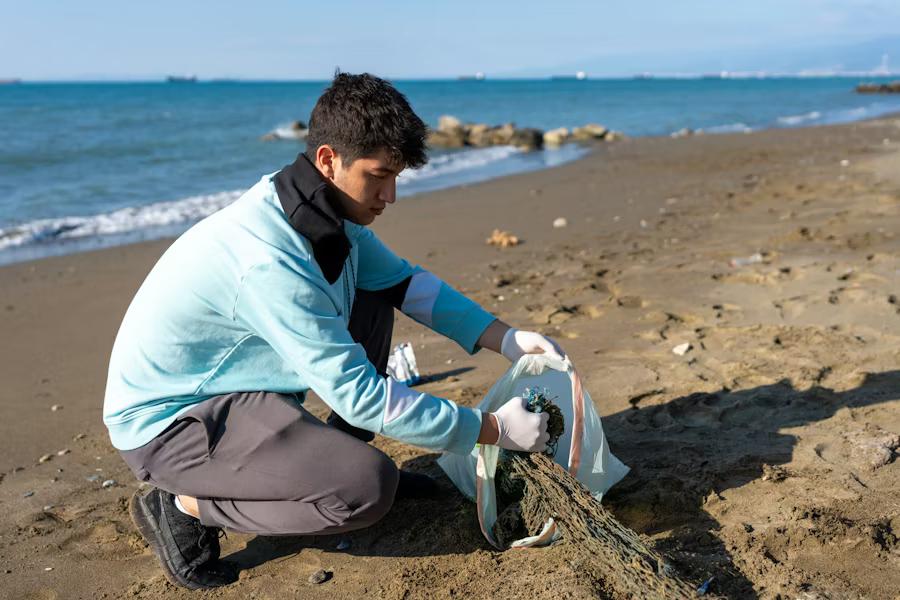
The fight against ocean plastic pollution has never felt more urgent. Every year, millions of tons of plastic enter our oceans, harming marine life, entering food chains, and persisting for centuries. In 2026, organizations like *The Ocean Cleanup (TOC)* lead the charge with innovative technologies, from massive floating barriers to solar-powered river interceptors. Emerging tools like drones, autonomous robots, and artificial intelligence are starting to play bigger roles, promising smarter and more efficient cleanups.
This blog dives deep into the latest progress as of early 2026. We’ll look at what’s working, what’s struggling, and set realistic expectations for the future. The goal isn’t just to celebrate wins but to understand the scale of the problem and how tech is helping close the gap.
The Big Picture: Why Ocean Cleanup Matters in 2026
Plastic pollution remains one of the planet’s most visible environmental crises. Estimates suggest 8–23 million metric tons of plastic enter aquatic environments annually, with much of it coming from rivers in developing regions. Legacy plastic already floating in gyres like the Great Pacific Garbage Patch (GPGP) adds to the challenge — an estimated 100,000+ tons concentrated there alone.
TOC’s mission is ambitious: remove 90% of floating ocean plastic by 2040. They tackle two fronts — preventing new plastic from rivers and extracting existing pollution from the open ocean. In 2025, TOC achieved a record year, removing over 25 million kilograms (about 25,000 metric tons) of trash from rivers and oceans. This brought their cumulative total to more than 45 million kilograms. Early 2026 reports suggest continued momentum, with some sources mentioning figures approaching 27 million kg for 2025 in certain updates, reflecting a 133% increase over 2024.
These numbers are impressive for a nonprofit, but the problem is vast. Annual global input dwarfs even these record hauls. Cleanup alone can’t solve it — reducing plastic production and improving waste management are essential. Still, TOC’s progress shows technology can make a measurable difference when scaled smartly.
River Interceptors: The Front Line Against New Pollution
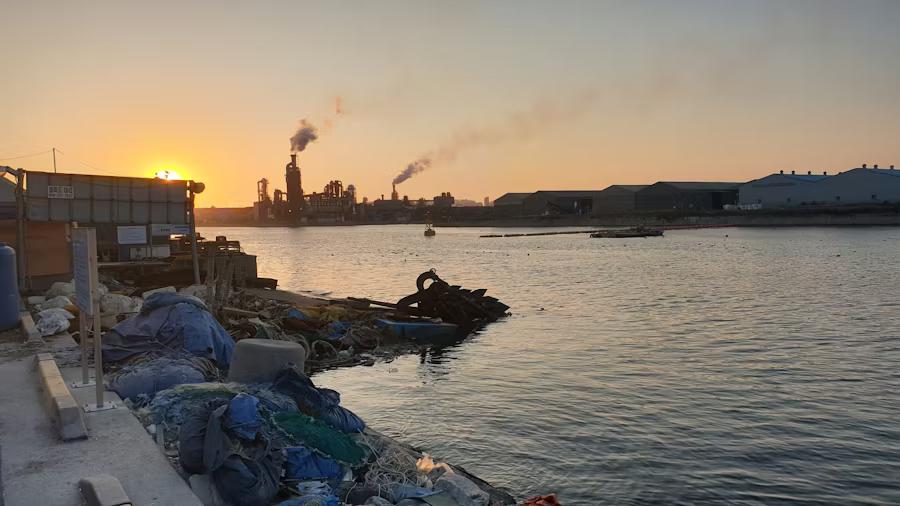
Rivers are the primary gateway for plastic entering the sea, carrying up to 80% of ocean-bound trash from a handful of high-impact waterways. TOC’s Interceptor systems — autonomous, solar-powered barges — float in rivers to capture debris before it reaches the ocean.
As of early 2026, TOC has deployed around 21 Interceptors across 11 cities in 10 countries, including Indonesia, Malaysia, Jamaica, Guatemala, and newer sites like Mumbai, India. These systems have prevented millions of kilograms from entering the sea, with some rivers seeing truckloads removed in a single day.
In 2026, TOC launched the *30 Cities Program*, backed by funding from initiatives like The Audacious Project (part of TED). The aim: scale to intercept up to one-third of riverine plastic flowing into the ocean by 2030. This involves adapting their end-to-end model — assessing local contexts, partnering with governments and communities, deploying Interceptors, managing collected waste responsibly, and even running coastal cleanups.
What’s working? The model is replicable and cost-effective. Local jobs are created for sorting and recycling, turning trash into resources. Challenges include extreme weather disrupting operations and ensuring waste doesn’t re-enter the environment. Overall, rivers offer the biggest quick wins — stop the flow now, and future ocean pollution drops dramatically.
Ocean Extraction: Scaling Up in the Great Pacific Garbage Patch
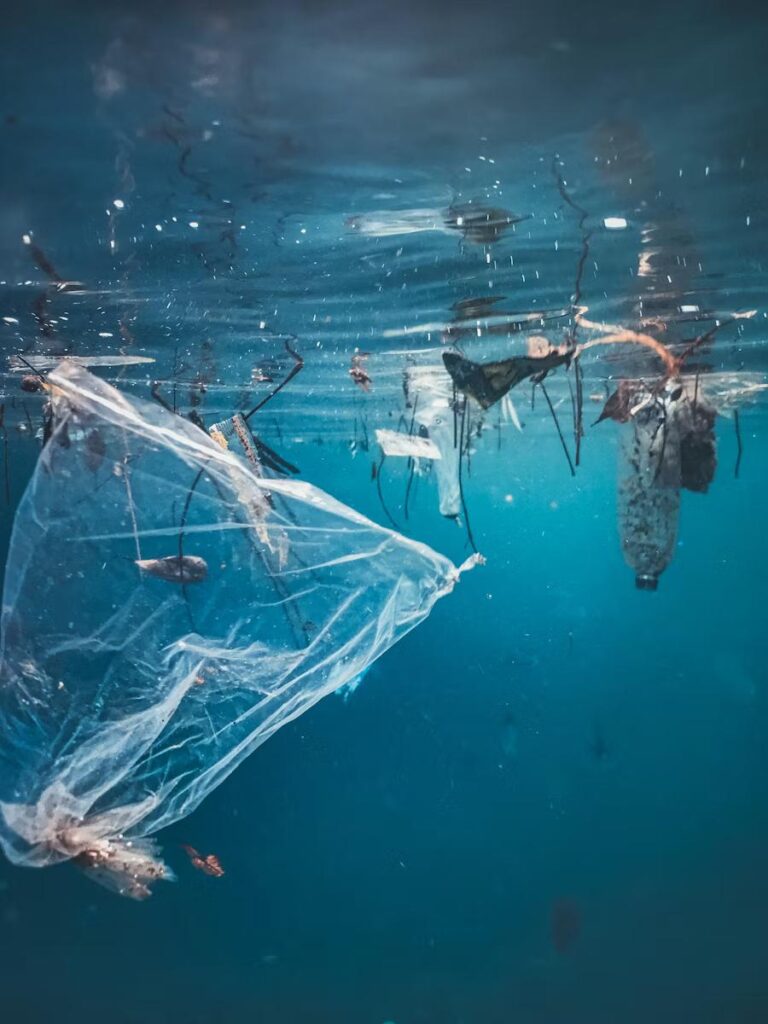
For legacy plastic already in the ocean, TOC relies on large floating systems. *System 03*, their flagship since around 2023–2024, is a nearly 3-km U-shaped barrier that uses ocean currents to concentrate plastic for collection by support vessels.
In recent years, System 03 has hit milestones like the 100th extraction, some livestreamed globally. Collected plastic gets processed into pellets for products — think sunglasses, clothing, or even Coldplay album pressings. Hotspot hunting in the GPGP uses data to target dense areas, improving efficiency.
In 2026, ocean operations continue with optimizations rather than massive new fleets. TOC reports ongoing success, but weather, maintenance, and the patch’s dynamic nature remain hurdles. Early systems had issues with plastic escaping or structural damage; upgrades have helped, but it’s not fully autonomous yet.
Drones, Robots, and AI: The Emerging Tech Layer
While TOC’s core strength lies in barriers and interceptors, drones, robots, and AI are gaining traction for detection, mapping, and efficiency.
TOC partners with AWS for AI and machine learning to predict plastic hotspots, analyze data in real-time, and optimize vessel routes. Aerial drones test AI-powered cameras and sensors for spotting plastic, even at night or in tricky conditions. These feed into systems like Automated Debris Imaging, helping focus efforts where plastic is thickest.
Robots aren’t central for TOC yet — operations still rely on manned vessels for heavy lifting — but experiments show promise for coastal and mangrove cleanups.
Beyond TOC, the EU’s *SeaClear2.0* project (running through late 2026) targets seabed litter, which makes up much of marine plastic (it sinks over time). This multi-layer system uses:
– Aerial drones for surface mapping
– Uncrewed surface vessels
– Underwater robots (like Mini Tortuga rovers) with sonar and cameras
– AI to differentiate trash (bottles, tires) from rocks, plants, or sea life
– Supervised robotic grippers for collection
Tests in Marseille, Germany, and planned sites like Venice, Dubrovnik, and Tarragona show positive results. The tech could even detect unexploded mines. By year-end, the goal is operational crews working with local authorities. It’s not fully autonomous yet — human oversight is needed — but refinement continues.
These tools enhance, rather than replace, human efforts. AI improves targeting, drones scout vast areas cheaply, and robots handle dangerous or deep zones. But scaling them cost-effectively remains a challenge.
What’s Working Well in 2026
Several areas shine:
– *River prevention* is highly effective and preventive. Scaling to more cities could compound impact exponentially.
– *Record removals* — 2025’s 25+ million kg shows acceleration.
– *End-to-end recycling* turns waste into products, building partnerships and awareness.
– *Data-driven improvements* — AI and drones make operations smarter, reducing wasted time.
– *Scientific contributions* — TOC publishes peer-reviewed research on plastic sources (e.g., much of GPGP trash is fishing gear) and ecological impacts.
Momentum is real. Corporate collaborations, public engagement, and funding support growth.
What’s Failing or Facing Major Challenges
Scale is the biggest issue. TOC’s hauls, while growing, are tiny compared to annual inputs. The GPGP alone holds far more than has been removed cumulatively.
Ocean ops face weather damage, high maintenance, and vast distances. Drones and AI help but aren’t breakthrough yet — no fleets of autonomous robots vacuuming the sea.
Seabed efforts like SeaClear2.0 struggle with murky waters, variable conditions, and costs. Full autonomy is years away.
Broader problems persist: microplastics, sunk debris, and the need for global prevention. Without reduced production, cleanup fights a losing battle
Realistic Expectations for the Rest of 2026 and Beyond
Don’t expect crystal-clear oceans soon. But progress is tangible:
– *Short-term (2026–2030)*: River programs could intercept significant new inflows if the 30 Cities initiative succeeds. Ocean extractions will grow with better targeting. Annual removals might hit tens of thousands of tons with more funding and systems.
– *Long-term (to 2040)*: 90% removal is bold but possible with massive scaling, tech advances, and policy support (like plastics treaties). Prevention must parallel cleanup.
– *Tech role*: Drones, robots, and AI will make operations more precise and cost-effective, but vessels and barriers remain core for volume.
TOC’s approach is pragmatic: stop inflows first, clean legacy second. It’s inspiring — real impact from engineering and persistence.
Final Thoughts
In 2026, ocean cleanup tech isn’t magic, but it’s advancing steadily. From Interceptors blocking rivers to AI guiding extractions, the pieces are coming together. The crisis demands action on all fronts — reduction, recycling, policy — but groups like TOC prove cleanup can contribute meaningfully.