
One of the biggest promises of edge computing combined with localized AI is its ability too enable **real-time optimization** of energy use. Instead of sending tons of data all the way to faraway cloud data centers — which eats up electricity for transmission, cooling, and processing — edge devices can look at sensor data right there on the spot and make quick decisions. This not only cuts down latency but also save energy on networking. Sounds good on paper, right?
In Smart Grids: Balancing Power Like Never Before
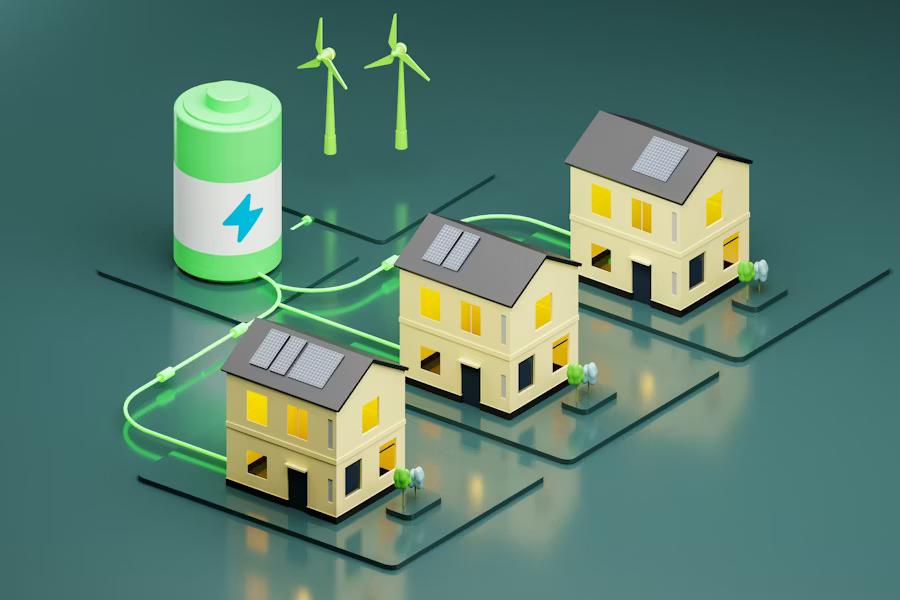
Smart grids are basically the modern electricity network that use digital tech to manage power flow better. When you add **edge AI** into the mix, things get interesting. These systems can monitor power in real time, predict demand changes, balance loads dynamically, and handle renewable energy sources like solar and wind which are not always steady.
For example, AI models running at the edge can forecast demand using weather data, historical patterns, and live sensor inputs. Then it automatically shift non-essential loads — like charging electric vehicles or running factory machines — to times when renewable power is cheap and plenty. This help reduce peak loads, lower transmission losses, and avoid blackouts.
Some real-world pilots have shown improvements in grid reliability, with reports of 20-36% better metrics in outage reduction. Fault detection is another win: edge AI spots voltage issues or equipment problems instantly without waiting for cloud approval. That means faster fixes and less energy wasted on inefficient operations.
By keeping processing local, you also cut down on the energy needed to send huge amounts of data back and forth. In a world pushing for more renewables, this kind of real-time intelligence could make integrating solar and wind much smoother. But remember, not all gains are guaranteed — it still depends on good data and sometimes hybrid setups with the cloud.\
In Precision Agriculture: Smarter Farming, Less Waste
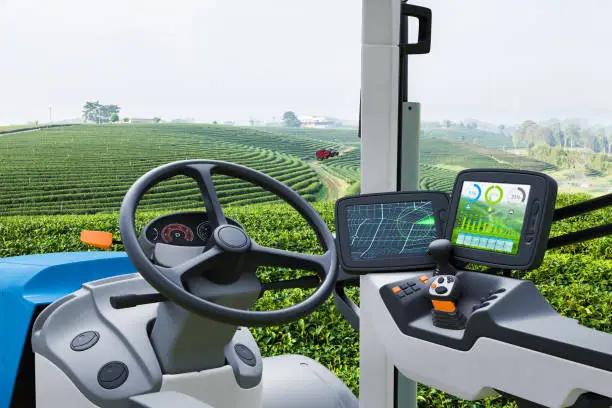
Agriculture is one of the most resource-heavy sectors, using tons of water, energy for pumping and heating, and chemicals. *Edge AI* brings precision here by making decisions on the farm itself, without constant internet connection.
Think smart irrigation systems. Sensors in the soil measure moisture, temperature, and even plant signals in real time. Lightweight AI models on edge devices then decide exactly how much water to give — and only where its needed. No more uniform watering across the whole field.
In greenhouses or vertical farms, edge AI can optimize lighting, ventilation, heating, and CO₂ levels based on what the plants actually need right now. One study on indoor lettuce showed potential energy savings around 25% by fine-tuning these controls. Farmers also get better pest detection and targeted fertilizer use, which indirectly saves energy because less manufacturing and transport of chemicals is required.
Reported numbers look promising in some cases: 10-30% less water usage, modest reductions in energy for pumping, and even slight yield boosts. In remote areas with poor connectivity, edge AI really shines because it works offline.
But Let's Be Honest — It's Not All Sunshine
While these applications sound exciting for cutting waste and supporting sustainability, the evidence isn’t always rock solid at large scales. Some reviews say claims about big reductions in fertilizer, water, or emissions are “not fully tested” yet. Plus, running even lightweight AI models on thousands of devices still uses power. If those devices aren’t designed for low energy or easy recycling, you might just be moving the environmental problem around — more hardware means more manufacturing energy and future e-waste.
Edge AI helps by using specialized low-power chips, but true benefits only come when paired with renewable-powered nodes and proper lifecycle thinking. Otherwise, the “green” label might be more marketing than reality.
This section shows why edge computing + AI could be a real tool for smarter energy management. It reduces data travel and enables instant local actions that big centralized systems can’t match easily. Yet, like most tech, its not a magic fix. The real question remains: does the overall planetary impact go down, or are we just creating more distributed gadgets that need careful handling?